Permitting & Engineering in Georgia
These two go together because one is useless without the other: a Georgia building department will not issue a permit without a set sealed by a Georgia-registered engineer, and an engineered set is worth nothing until somebody carries it through review. We do both. Structural engineering against your jurisdiction’s adopted criteria, then the submittal, the comment cycles, and every inspection through to certificate of occupancy.
How a permitting & engineering project runs
Four stages, in this order. The sequence matters more than it looks: getting engineering and permitting settled before anything is fabricated is what keeps a build from stalling.
Jurisdiction and zoning check
First we establish who actually has jurisdiction, the city or the county, and confirm your zoning allows a residence in this building type. Getting this backwards costs months.
Structural engineering
A Georgia-registered engineer analyses the frame against the design criteria your jurisdiction adopted, then seals the foundation, anchor bolt layout, framing and connection details. An out-of-state seal is rejected here regardless of how sound the engineering is.
Assemble and submit
Sealed plans, energy calculations, wind-load documentation, truss engineering, product approvals, site plan, and the ancillary approvals like septic and driveway that reviewers ask for late.
Comments through to CO
We answer review comments quickly, then schedule and meet every inspection from footing to final, and close the permit out to a certificate of occupancy.
Georgia barndominium permits fail for three predictable reasons
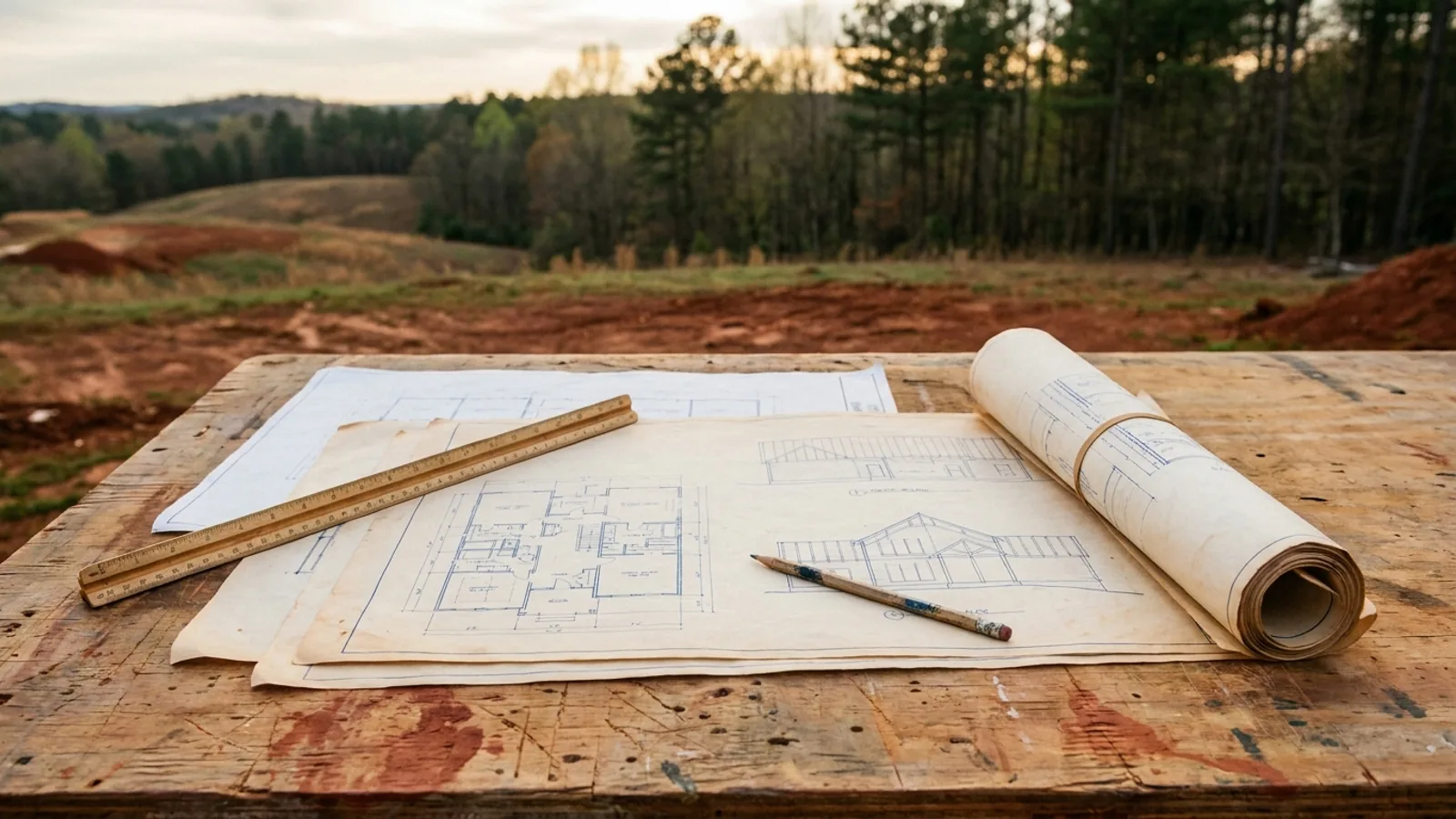
Out-of-state drawings without a Georgia seal. A structure engineered to a national spec rather than to the design criteria the jurisdiction actually adopted. And an owner who believed the agricultural exemption covered a house. All three are avoidable at the drawing stage and all three are expensive at the counter. We submit, we track, and we answer the review comments.
Where we deliver permitting & engineering
Across Georgia. Which county you build in decides your permitting authority, whether the building code is locally enforced at all, and the design criteria that authority has adopted — so two places twenty miles apart can carry very different engineering. Every location we cover has its own page setting out exactly that.
What actually decides the price
Square footage is the number everyone leads with, and it is rarely the one that moves a barndominium budget. These four do.
-
Which jurisdiction
Georgia counties differ enormously, including in whether they operate a building inspection department at all. The same drawings can be a fast review in one county and a slow one next door.
-
Scope of the submittal
A shell permit and a full residential permit with mechanical, electrical and plumbing are different submittals with different fee schedules and different review paths.
-
Engineering already in hand
If the sealed structural package exists and is correct for the jurisdiction, permitting is administration. If it does not, permitting is engineering with a queue in front of it.
-
Review comment rounds
Comments are normal. What costs time is a slow or incomplete response to them, which is the part we take off you.
Permitting & Engineering in Georgia: common questions
7 questions we get asked most often about building in Georgia. If yours is not on the list, ask it directly.
How long does a Georgia residential permit take?
Is there a way to speed up plan review?
My county does not have a building department. Do I need a permit?
Can I just permit it as a barn and finish it later?
Do I need a Georgia engineer, or will an out-of-state one do?
What engineering comes with the permit package?
Who pulls the permit, me or you?
Keep reading
The pages that answer the next question this one raises.
Is It Legal in Georgia?
Classification, zoning, the HOA gate, and the exemptions people wrongly rely on.
Read itHow Long Does It Take?
The 30-business-day statutory review clock, and how the private-provider route shortens it.
Read itWhere We Build
Which authority actually reviews your parcel, city by city.
Read itReady to put permitting & engineering against a real plan? Start there and the rest follows.
Tell us about the land
Send the parcel ID or an address and we will come back with what can be built on it, the wind load it has to meet, and a realistic budget range. That conversation costs nothing.